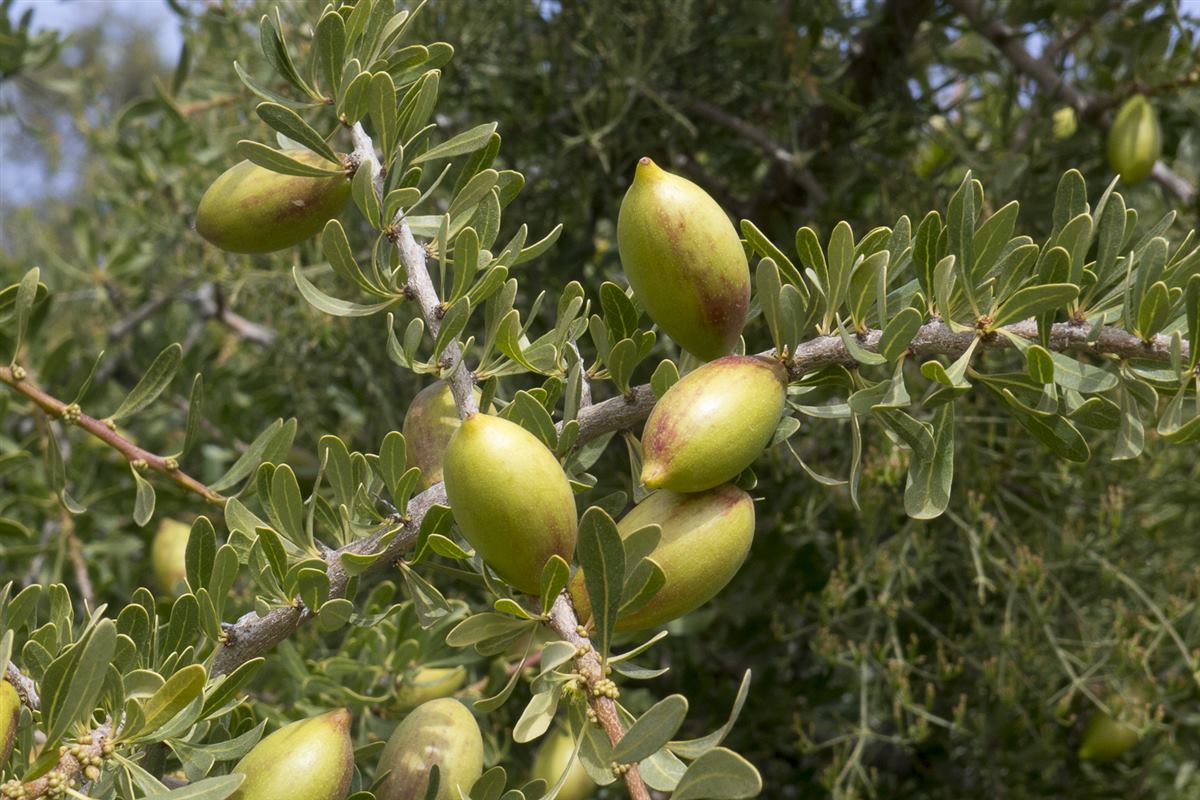
If your skin feels tight, rough, or dull no matter how much moisturizer you apply, you may be dealing with argan oil dehydrated skin concerns rather than simple dryness. Dehydration is a water problem, not an oil problem — and it responds best to ingredients that help the skin hold onto the moisture it already has. Argan oil, cold-pressed from the kernels of the Argania spinosa tree native to southwestern Morocco, has been studied specifically for its effect on skin hydration, which makes it a useful ingredient to understand before reaching for it.
Dehydrated Skin Is Not the Same as Dry Skin
These two words get used interchangeably, but they describe different things. Dry skin is a skin type — it produces less sebum than average and is a relatively fixed characteristic. Dehydrated skin is a condition — a temporary lack of water in the outermost layer of skin, the stratum corneum. Any skin type, including oily skin, can become dehydrated from weather, indoor heating, over-cleansing, or simply not replenishing water loss through the day.
The giveaway signs of dehydration include a tight feeling after washing, fine surface lines that aren’t true wrinkles, a dull or ashy cast, and skin that looks worse a few hours after moisturizing rather than better. Because the root issue is water retention, the fix has to work on the skin’s barrier — the structure that controls how much water evaporates out.
What’s Inside Argan Oil That Matters for Hydration
Argan oil’s relevance to dehydration comes down to its composition:
- Linoleic acid (omega-6): roughly 29–36% of the oil’s fatty acid content, and one of the key building blocks of the skin’s own barrier lipids
- Oleic acid (omega-9): around 43–49%, giving the oil a soft, quickly-absorbed texture that layers well under other products
- Tocopherols (vitamin E): argan oil is particularly rich in gamma-tocopherol, which helps protect lipids from oxidative breakdown
- Squalene: a lightweight emollient similar to a component of the skin’s own natural sebum
None of these compounds add water to the skin directly — that’s the job of humectants like hyaluronic acid or glycerin. What the fatty acids in argan oil do is reinforce the barrier that keeps water from escaping once it’s there, which is the mechanism that has actually been tested in clinical research.
What the Research Shows
The most directly relevant study on this topic was published in 2014 in Przegląd Menopauzalny (Menopause Review) by Boucetta and colleagues. The researchers recruited 60 postmenopausal women — a group whose skin hydration and barrier function decline measurably after menopause — and divided them into a group consuming dietary argan oil and a control group consuming olive oil, while both groups applied cosmetic argan oil topically to the forearm for 60 days.
The results showed a statistically significant decrease in transepidermal water loss (TEWL, the rate at which water evaporates through the skin) and a significant increase in water content of the epidermis (WCE) in both the oral and topical argan oil groups. In plain terms: the skin held onto more of its own water and lost less of it to evaporation after consistent argan oil use.
This is a meaningful finding because TEWL and WCE are the two standard instrumental measures researchers use to assess dehydration specifically — not general dryness or oiliness. It’s worth noting this was a single controlled study on a specific population, and results from any one trial shouldn’t be read as a guarantee, but it does give a concrete, mechanism-matched reason why argan oil shows up so often in hydration-focused skincare.
Dehydrated Skin vs. Dry Skin: A Quick Reference
| Dry Skin | Dehydrated Skin | |
|---|---|---|
| Type | Skin type (long-term) | Skin condition (temporary) |
| Cause | Naturally low sebum production | Water loss from environment, habits, or barrier damage |
| Feel | Rough, flaky, consistently tight | Tight after cleansing, improves then tightens again |
| Can affect oily skin? | No | Yes |
| What helps | Richer oils and emollients | Humectants + barrier-supporting oils like argan |
How to Use Argan Oil for Dehydrated Skin
- Layer it correctly: apply a hydrating, water-based serum or humectant first, then seal it in with a few drops of argan oil while skin is still slightly damp — oils work best as the final “lock in” step, not the first one
- Use it morning and night: the 2014 study measured effects from twice-daily topical use over 60 days, so consistency matters more than quantity
- 3–4 drops is enough: argan oil absorbs quickly, so a thin, even layer across the face and neck is sufficient
- Don’t skip water intake and humidity: topical products support the barrier, but they work alongside — not instead of — basic hydration habits
Choosing a Quality Argan Oil
Because the hydrating effect depends on an intact fatty acid and tocopherol profile, oil quality matters. Look for cold-pressed extraction (heat degrades vitamin E), a dark glass bottle to limit light exposure, and a 100% pure formulation without added fragrance or filler oils. You can find cold-pressed Moroccan argan oil sourced from women’s cooperatives in the KAHENA BK shop, and if your skin runs both dry and dehydrated, our guide to argan oil for dry skin covers the richer, barrier-repair side of the same ingredient. For the full picture on sourcing and authenticity, the Complete Guide to Moroccan Argan Oil is a useful next read, and our brand story explains where our oil comes from and why that matters.
Frequently Asked Questions
Can argan oil actually rehydrate skin, or does it just seal in moisture?
Both, in a sense. Argan oil itself doesn’t add water, but the 2014 Boucetta et al. study found that consistent use reduced water loss (TEWL) and increased the skin’s own water content (WCE) — meaning it helps the skin hold on to the moisture already present rather than acting as a standalone hydrator.
Is argan oil enough on its own for dehydrated skin?
For most people, pairing it with a humectant-based product works better than using argan oil alone. Humectants pull water into the skin; argan oil’s fatty acids then help keep it from evaporating. Used together, they address both sides of the dehydration equation.
How quickly does dehydrated skin improve with argan oil?
The clinical study measured significant improvements at the 30-day and 60-day marks, so a similar timeframe of consistent daily use is a reasonable expectation for noticeable changes in comfort and surface texture.
Can oily or acne-prone skin be dehydrated too?
Yes — dehydration and oiliness aren’t mutually exclusive. Skin can overproduce sebum while still losing water rapidly through a compromised barrier. Argan oil’s non-greasy absorption and low comedogenic profile make it a reasonable option even for skin that also tends toward oiliness.
Khadija Ait Lahcen is a Moroccan beauty enthusiast and writer with a passion for traditional cosmetic ingredients and their modern applications. She writes for KAHENA BK about argan oil, hair care, and the heritage of Moroccan beauty rituals.

Leave a Reply