
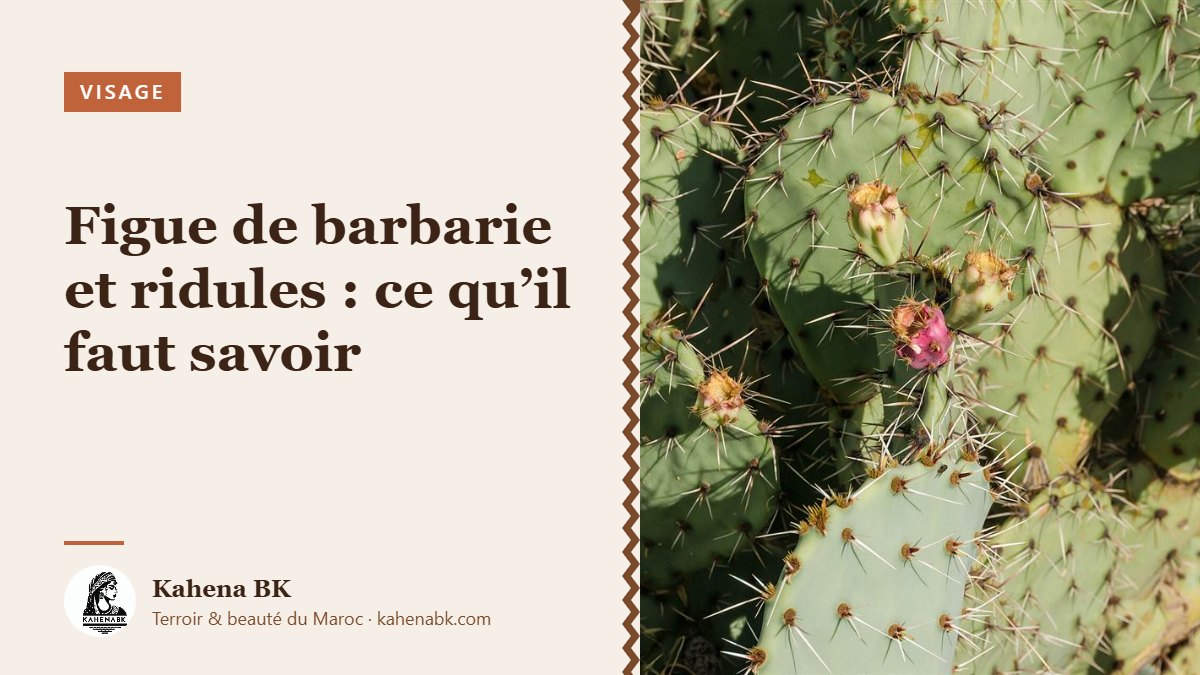
Few beauty oils carry as much mystique — or as high a price tag — as the one pressed from the tiny seeds of the Moroccan prickly pear. If you are curious about prickly pear seed oil for fine lines, this guide explains what is really inside the bottle, what the science supports, and how to use it so it earns its place in your routine.
Why fine lines appear in the first place
Fine lines are an early, surface-level sign of skin ageing. They are driven by a mix of factors: cumulative sun exposure, a gradual slowdown in collagen and elastin, and — importantly — dehydration and a weakened skin barrier that makes the surface look creased and dull. You cannot stop time, but you can support the skin’s barrier and antioxidant defences so fine lines look softer and the complexion stays plump and luminous. That is exactly the territory where prickly pear seed oil shines.
What makes prickly pear seed oil special
Prickly pear seed oil is cold-pressed from the seeds of Opuntia ficus-indica, the cactus that thrives across Morocco’s arid south. It is one of the most labour-intensive oils in the world to produce, which is part of why it is so prized. Its appeal for the appearance of fine lines comes down to two standout qualities:
| Property | What it means for fine lines |
|---|---|
| Exceptionally high vitamin E (tocopherols) | Among the richest plant sources; vitamin E is a key lipid-soluble antioxidant that protects skin lipids |
| Very high linoleic acid (around 60%) | An essential fatty acid that supports the skin barrier and helps skin look smooth and hydrated |
| Lightweight, fast-absorbing texture | Sinks in quickly, making it comfortable around the eyes and on combination skin |
| Phytosterols and betalains | Skin-compatible compounds with antioxidant character |
What the research suggests
Compositional studies of Opuntia ficus-indica seed oil consistently report two things that matter for ageing skin: a remarkably high tocopherol (vitamin E) content compared with most common plant oils, and a linoleic-acid-dominant fatty-acid profile. These are well-documented facts about the oil rather than marketing claims.
Why does that matter for fine lines? Vitamin E is one of the most studied antioxidants in skin science; antioxidants help defend skin lipids against the oxidative stress that accelerates visible ageing. Linoleic acid, meanwhile, is a recognised component of a healthy skin barrier — and a well-functioning barrier holds water better, so skin looks plumper and lines appear softer. It is worth being honest here: prickly pear seed oil is a cosmetic that supports the look and feel of skin. It is not a wrinkle “treatment”, and no oil rebuilds collagen the way a clinical procedure might. What it does well is hydrate, protect and smooth the surface so fine lines are less noticeable.
How to use prickly pear seed oil for fine lines
Because it is precious and potent, you need very little.
- Use it at night. Press 2–3 drops into clean, slightly damp skin as the last step of your evening routine, when skin does most of its repair.
- Target the usual spots. Gently pat a single drop around (not in) the eyes, the smile lines and the forehead.
- Layer smart. Apply water-based serums first, then prickly pear oil to seal in hydration. A moisturizer can go on top if your skin is very dry.
- Pair with daily SPF. Antioxidant oils work best alongside sun protection, since UV exposure is the single biggest driver of fine lines.
- Be consistent. The benefits of any antioxidant oil are cumulative — nightly use beats occasional use.
How it compares and where to start
If argan oil is Morocco’s everyday “liquid gold”, prickly pear seed oil is its rare, concentrated counterpart — lighter, higher in vitamin E, and especially suited to the delicate areas where fine lines first show. You can read more about its full benefits in our dedicated guide to prickly pear seed oil, browse our organic Moroccan skincare collection, or discover why we work only with women-led cooperatives on our brand story page.
Frequently asked questions
Does prickly pear seed oil really help fine lines?
It will not erase them, but its high vitamin E and linoleic acid help hydrate and protect the skin so fine lines look softer and the complexion appears plumper and more radiant.
Can I use it around my eyes?
Yes. Its lightweight texture makes it well suited to the eye area — pat a single drop gently around the orbital bone, avoiding direct contact with the eye.
Is it suitable for oily or combination skin?
Often, yes. Because it is rich in linoleic acid and absorbs quickly, many people with oily or combination skin find it lighter than heavier oils. As always, patch test first.
Why is prickly pear seed oil so expensive?
It takes an enormous quantity of hand-harvested fruit to extract a small amount of seed oil, which makes it one of the rarest and most costly beauty oils in the world.
The takeaway
For the look of fine lines, prickly pear seed oil offers a rare pairing of exceptional vitamin E and barrier-supporting linoleic acid in a feather-light texture. Used nightly on damp skin and partnered with daily sun protection, this Moroccan treasure helps skin stay hydrated, defended and smooth — so early signs of ageing soften naturally.

Leave a Reply