Dehydrated skin is one of the most common but least understood skin concerns, and it’s a different problem from simply having “dry skin.” If you’ve been searching for prickly pear seed oil for dehydrated skin, you’re looking in the right place: this rare Moroccan oil is unusually rich in exactly the fatty acids that a compromised skin barrier needs. Here’s what the research on its composition shows, and how to use it well.
Dehydrated Skin vs. Dry Skin: What’s the Difference
Dry skin is a skin type — it produces less oil (sebum) than average, more or less permanently. Dehydrated skin is a condition that can affect any skin type, including oily skin: it means the skin lacks water, usually because its outer barrier isn’t holding moisture in effectively. Signs include a tight feeling after cleansing, fine surface lines that aren’t true wrinkles, dullness, and skin that looks flaky in some areas while still producing oil in others. Because the root cause is barrier function rather than oil production, the ingredients that help are usually barrier-supporting fatty acids and humectants, not just heavier creams.
The Fatty Acid Profile Behind Prickly Pear Seed Oil
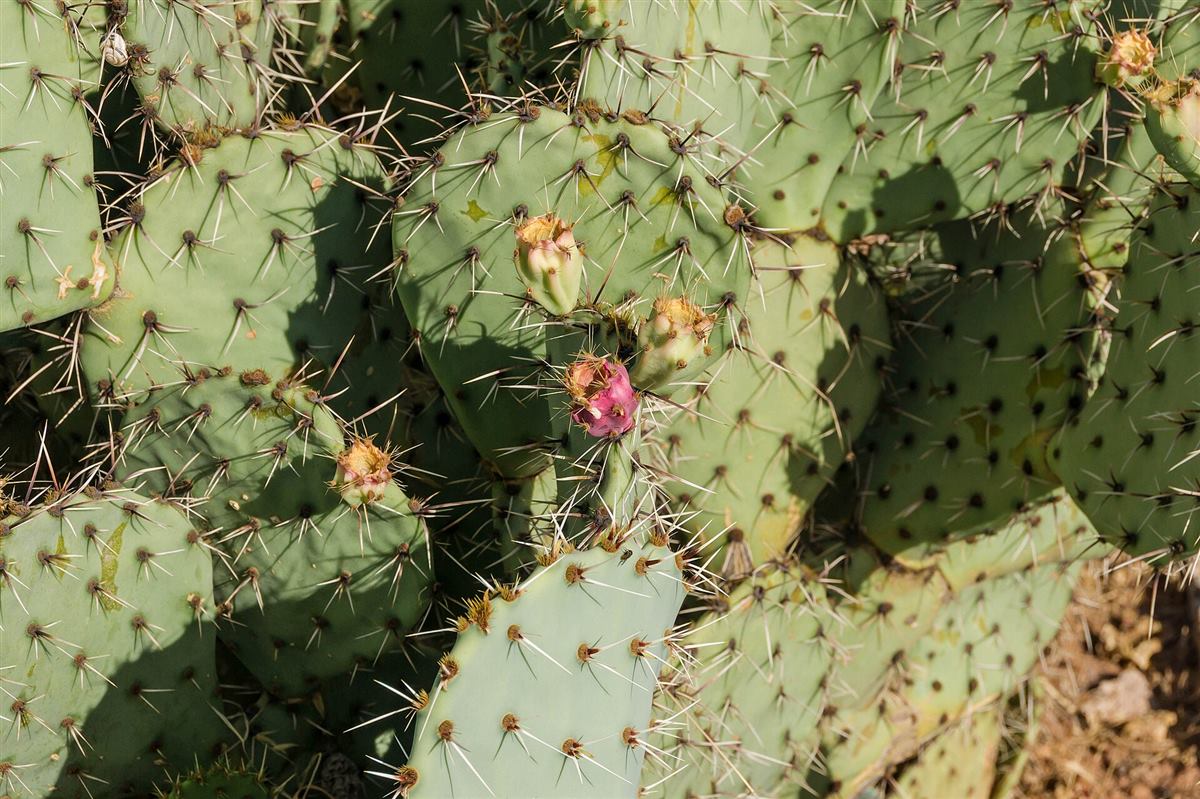
Prickly pear seed oil is pressed from the tiny seeds of Opuntia ficus-indica, the same cactus fruit sold across Morocco’s markets — and it takes roughly a ton of fruit to yield about a liter of oil, which is part of why it remains one of the rarer plant oils in cosmetics. A detailed compositional study by Chougui et al., published in Food Chemistry (2013), analyzed seed oil from several Opuntia ficus-indica varieties and found linoleic acid content ranging from about 58% to 63% of total fatty acids, alongside oleic and palmitic acids and a complex profile of phenolic compounds.
| Fatty acid | Approx. share (Chougui et al., 2013) | Relevance to skin |
|---|---|---|
| Linoleic acid (omega-6) | 58-63% | Essential fatty acid the skin barrier relies on to stay intact and limit water loss |
| Oleic acid | ~24% | Emollient; softens and smooths the skin’s surface |
| Palmitic acid | ~13% | Naturally occurring in skin lipids; contributes to texture |
| Stearic acid | ~4% | Minor structural fatty acid |
This matters for anyone who has switched skincare products, spent time in dry or air-conditioned environments, traveled by plane, or increased cleansing frequency and then noticed their skin feels suddenly tighter and rougher — all common, temporary triggers for barrier-related dehydration rather than a change in skin type. In those situations, reaching for a heavier moisturizer isn’t always the answer; reaching for the right fatty acids, alongside water, usually is.
How Linoleic Acid-Rich Oils Support the Skin Barrier
The outer layer of skin, the stratum corneum, depends on a mix of lipids — including linoleic acid — to stay cohesive and limit transepidermal water loss (the process by which water evaporates from skin faster than it should). When diets or topical care are low in linoleic acid, skin can become more prone to flaking and water loss; this is well established in general dermatology and lipid-science literature, independent of any single brand or product. Prickly pear seed oil’s particularly high linoleic acid content, as documented by Chougui et al., is the compositional reason it’s often reached for when skin feels dehydrated rather than simply dry. It’s worth being clear that this describes the oil’s chemistry rather than a clinical trial measuring hydration outcomes in humans — the science of its composition is real and well documented, even where dedicated human trials are still limited.
How to Use Prickly Pear Seed Oil for Dehydrated Skin
- Hydrate before you seal: Apply a water-based humectant first, such as a hyaluronic acid serum or a hydrating mist, since oils on their own don’t add water — they help skin hold onto water that’s already there.
- Use a few drops, not a heavy layer: Prickly pear seed oil absorbs quickly; 2-3 drops is usually enough for the full face.
- Apply while skin is still slightly damp to help lock in the humectant step underneath.
- Use it around the eyes where skin is thinner and often shows dehydration first, patting gently rather than rubbing.
- Be consistent — barrier repair from any lipid-based ingredient tends to show over weeks, not overnight.
Prickly Pear Seed Oil vs. Argan Oil for Hydration
Both oils are Moroccan, both are pressed rather than distilled, and both show up often in the same skincare routines — but they aren’t identical. Prickly pear seed oil leans further toward linoleic acid, which tends to give it a lighter, faster-absorbing feel better suited to skin that dehydrates easily or leans oily. Argan oil carries more oleic acid alongside linoleic acid and a notably high tocopherol (vitamin E) content, which many people find slightly richer and better suited to normal-to-dry skin or cooler months. Neither replaces the other; some routines simply rotate between them depending on the season or how skin feels that week.
Choosing a Genuine Prickly Pear Seed Oil
Because yields are so low, prickly pear seed oil is one of the more frequently diluted or mislabeled oils on the market. Look for oils that state a clear country of origin, a cold-pressed extraction method, and a realistic price — genuine prickly pear seed oil is priced closer to a specialty ingredient than an everyday facial oil. A pale golden-yellow color, a light and slightly nutty scent, and a thinner texture than olive or argan oil are also good practical signs; an oil that is very cheap, unusually thick, or strongly scented is worth questioning before it goes anywhere near your face. You can see our own sourcing and pricing in the shop, and read more about how we work with Moroccan producers on our About page.
Can prickly pear seed oil help both dehydrated and oily skin?
Yes. Because dehydration is about water content rather than oil production, even oily or acne-prone skin can be dehydrated, and a light, fast-absorbing oil like this one can support the barrier without adding heaviness.
How is prickly pear seed oil different from prickly pear (nopal) gel?
The gel comes from the cactus pads and is mostly water with mucilage, used for soothing. The seed oil comes from pressing the fruit’s seeds and is a concentrated source of fatty acids, used more like a facial oil.
Why is prickly pear seed oil so expensive compared to other facial oils?
Extraction yield is very low — it can take around a ton of prickly pear fruit to produce about a liter of seed oil, since the seeds themselves are tiny and low in oil content, which keeps supply naturally limited.
Can I mix it with other facial oils?
Yes, it blends well with lighter oils like argan oil. Many people alternate or blend the two, since both are rich in linoleic and oleic acids but bring slightly different textures.
Does drinking more water fix dehydrated skin on its own?
Drinking water supports overall health, but skin hydration also depends heavily on the condition of the skin barrier itself. Even well-hydrated people can have visibly dehydrated skin if the barrier is compromised by weather, over-cleansing, or product choices, which is why topical barrier support like fatty-acid-rich oils remains useful alongside drinking enough water.
For a broader look at what this oil can do, see our guide to prickly pear seed oil benefits for skin, hair, and more.

Leave a Reply