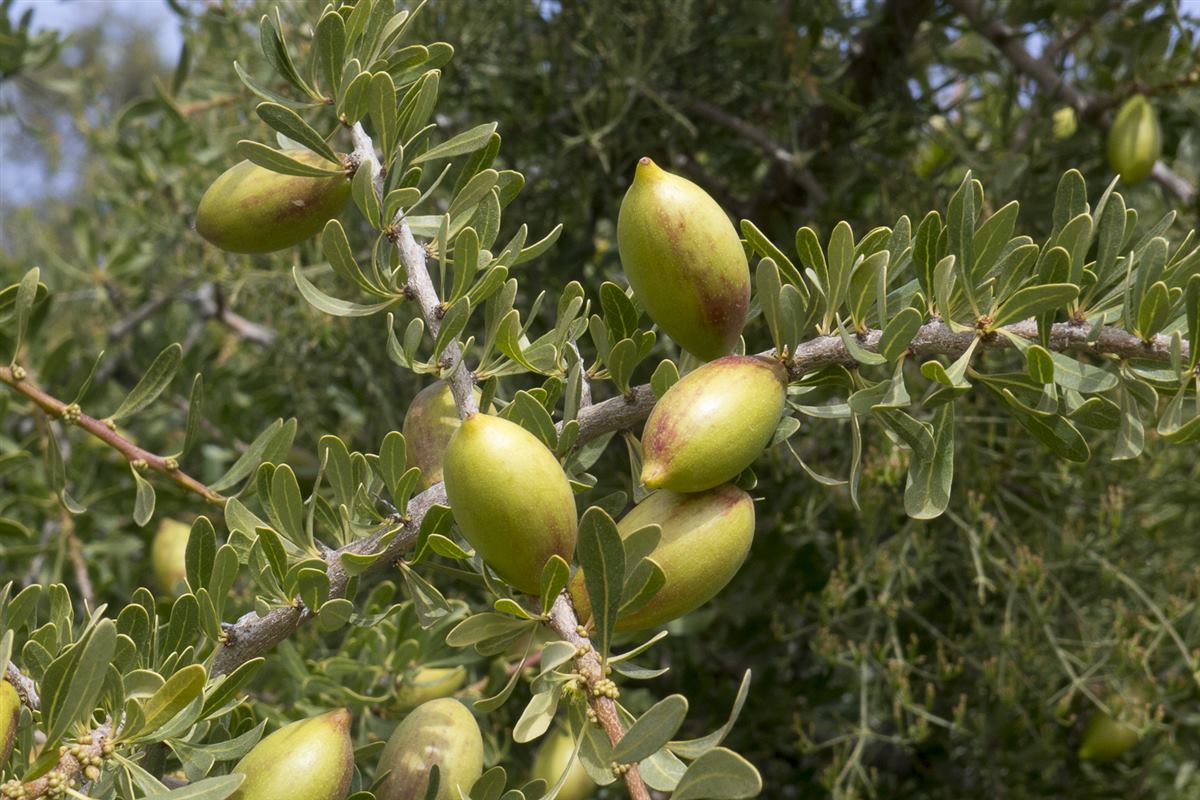
For centuries, the women of southwest Morocco have harvested a precious oil from the fruit of the argan tree — a resource so valuable it was declared a UNESCO-protected heritage. Today, argan oil is celebrated worldwide as one of nature’s most powerful beauty ingredients. But not all argan oil is created equal.
In this guide, we’ll explore what makes authentic Moroccan argan oil extraordinary, how to use it for radiant skin and hair, and what to look for when buying the real thing.
What Is Argan Oil?
Argan oil is a plant oil produced from the kernels of the argan tree (Argania spinosa), native only to Morocco. The tree’s fruit contains a hard nut with one to three kernels inside — and it’s these kernels that are cold-pressed to produce pure argan oil.
The argan tree is uniquely adapted to Morocco’s semi-desert climate, with roots that reach deep into the soil to survive drought conditions. This resilience is part of what makes the oil so nutrient-dense: the tree concentrates its protective compounds into the kernels, creating an oil rich in antioxidants, essential fatty acids, and vitamin E.
Why “Liquid Gold”?
The name isn’t just marketing. Argan oil has been:
- A culinary staple — used like olive oil in traditional Moroccan cooking (especially in amlou, a delicious spread of argan oil, almonds, and honey)
- A beauty secret — applied to skin, hair, and nails for hydration and protection
- A medicinal remedy — used by Berber communities for skin conditions, minor wounds, and joint health
- A economic lifeline — supporting women’s cooperatives across the Souss-Massa region
UNESCO recognized the argan tree’s cultural and ecological significance in 1998, and the Arganeraie Biosphere Reserve now protects over 2.5 million hectares of argan forest.
The Science Behind the Beauty
What makes argan oil such an effective skincare ingredient? Let’s break down its composition.
Essential Fatty Acids (80% of the oil)
- Oleic Acid (Omega-9) ~45% — deeply moisturizing, helps other ingredients penetrate the skin barrier
- Linoleic Acid (Omega-6) ~35% — anti-inflammatory, supports skin barrier repair, regulates sebum production
- Palmitic Acid ~12% — emollient, softens and smooths skin
- Stearic Acid ~6% — protects and stabilizes the oil
Antioxidants
- Vitamin E (Tocopherols) — argan oil is one of the richest natural sources of vitamin E, containing 60-80 mg per 100g. Vitamin E neutralizes free radicals that cause premature aging, supports skin regeneration, and enhances hydration.
- Polyphenols — plant compounds that protect against UV damage and environmental stressors
- Squalene — a natural component of human sebum that keeps skin supple and hydrated
- Sterols — anti-inflammatory compounds that soothe irritated skin
Key Minerals
Argan oil also contains trace amounts of magnesium, potassium, and zinc — all essential for healthy skin function.
Proven Benefits for Skin
1. Deep, Non-Greasy Hydration
Unlike synthetic moisturizers that sit on the skin’s surface, argan oil absorbs quickly and penetrates deeply. Its high linoleic acid content supports the skin barrier, helping your skin retain moisture rather than just adding temporary hydration.
Best for: Dry, dehydrated, or mature skin
2. Anti-Aging and Wrinkle Reduction
The vitamin E and polyphenols in argan oil work synergistically to:
- Neutralize free radicals that break down collagen
- Support natural collagen production
- Reduce the appearance of fine lines and wrinkles
- Improve skin elasticity and firmness
A 2014 study published in the Journal of Cosmetic Dermatology found that argan oil significantly improved skin elasticity and reduced transepidermal water loss after 60 days of use.
3. Acne and Sebum Regulation
This may surprise you, but argan oil can actually help acne-prone skin. The linoleic acid helps regulate sebum production, while its non-comedogenic rating (rated 0-1 on the comedogenic scale) means it won’t clog pores.
How it helps acne:
- Reduces inflammation of active breakouts
- Regulates oil production over time
- Supports healing of acne scars
- Won’t strip the skin like harsh acne treatments
4. Soothing Inflammation and Redness
Argan oil’s sterols and vitamin E have natural anti-inflammatory properties that calm:
- Eczema and psoriasis flare-ups
- Rosacea redness
- Post-shave irritation
- Sunburn and heat damage
5. Scar and Stretch Mark Reduction
The regenerative properties of argan oil make it effective for reducing the appearance of scars (including acne scars) and stretch marks. Massaging argan oil into affected areas daily can improve skin tone and texture over several weeks.
Benefits for Hair
1. Intense Moisture Without Weight
Argan oil’s molecular structure allows it to penetrate the hair shaft rather than just coating it. This means:
- Deep hydration that lasts
- Reduced frizz without greasiness
- Softer, more manageable hair
- Enhanced natural shine
How to use: Apply 2-3 drops to damp hair, focusing on mid-lengths to ends.
2. Scalp Health and Hair Growth
The anti-inflammatory and antimicrobial properties of argan oil create a healthy environment for hair growth. Regular scalp massage with argan oil can:
- Reduce dandruff and flakiness
- Improve blood circulation to hair follicles
- Support stronger hair growth
- Balance scalp oil production
3. Heat and Damage Protection
Argan oil provides natural thermal protection up to 230°C (450°F), making it an excellent pre-heat styling treatment. It also protects against environmental damage from sun, wind, and pollution.
4. Split End Prevention
While no oil can truly “repair” split ends, regular application of argan oil to hair ends prevents further splitting by keeping the hair shaft flexible and hydrated.
Benefits for Nails and Cuticles
Argan oil works wonders on nails and cuticles too:
- Strengthens brittle nails
- Softens and hydrates cuticles
- Promotes faster nail growth
- Prevents hangnails
Simple tip: Massage a drop of argan oil into each cuticle before bed for noticeably healthier nails in two weeks.
How to Choose the Right Argan Oil
The market is flooded with “argan oil” products. Here’s how to spot the real thing.
What to Look For
| Criterion | Real Argan Oil | Fake or Adulterated |
| — | — | — |
| Color | Golden yellow to amber | Pale, colorless, or too dark |
| Scent | Nutty, mild (like hazelnuts) | Odorless, chemical, or perfumed |
| Absorption | Absorbs within 5-10 minutes | Sits on skin or feels greasy |
| Labeling | “100% Pure” or “100% Organic” | “Argan oil blend” or “fragrance” |
| Ingredients | “Argania Spinosa Kernel Oil” only | Multiple oils or additives |
| Origin | Morocco | Labeled from another country |
| Extraction | Cold-pressed (first press) | Hexane-extracted or refined |
Cosmetic vs. Culinary Argan Oil
Cosmetic argan oil is cold-pressed from roasted or unroasted kernels. Roasted kernels produce a darker oil with a stronger nutty scent that many people prefer for skin.
Culinary argan oil is always cold-pressed from roasted kernels, giving it a deeper flavor. It’s perfectly safe for skin too, but more expensive due to food-grade production standards.
At Kahena BK, we use 100% pure, cold-pressed, cosmetic-grade Moroccan argan oil — ethically sourced from women’s cooperatives in the Souss-Massa region.
Price as a Guide
Real, pure argan oil takes approximately 100 kg of argan fruit to produce just 1 liter of oil. If the price seems too good to be true, it probably is. A reasonable price for genuine 100% pure argan oil is €15-€30 for 30-50ml.
How to Incorporate Argan Oil Into Your Routine
Morning Routine
- Cleanse your face
- Tone with rose water or a gentle toner
- Apply 2-3 drops of argan oil to damp skin
- Follow with sunscreen (SPF 30+)
Why damp skin? Applying oil to slightly damp skin helps lock in hydration and improves absorption.
Evening Routine
- Double cleanse to remove makeup and sunscreen
- Apply serum if you use one
- Warm 3-4 drops of argan oil between your palms
- Press gently into face, neck, and décolletage
- For extra treatment, apply a thicker layer as a sleeping mask
For Hair
- Leave-in conditioner: 2-3 drops through damp ends after washing
- Scalp treatment: 5-8 drops massaged into scalp 30 minutes before shower
- Deep conditioning: Apply generously to hair, cover with a warm towel, leave for 1+ hours, then shampoo
- Flyaway tamer: Rub 1 drop between palms and smooth over dry hair
For Body
- Apply to damp skin after showering for all-over hydration
- Use as a cuticle oil before bed
- Massage into stretch marks or scars daily
- Mix with sugar for a DIY body scrub
The Kahena BK Difference
At Kahena BK, we believe in beauty that’s authentic, ethical, and effective. Our argan oil is:
- 100% pure — single ingredient, nothing added
- Cold-pressed — preserving all the natural nutrients
- Ethically sourced — supporting women’s cooperatives in Morocco
- Hand-harvested — traditional methods, modern quality standards
- Fairly traded — paying fair wages to the women who make our oil possible
We don’t dilute our argan oil with cheaper oils, add synthetic fragrances, or process it with harsh chemicals. What you get is what nature intended: pure Moroccan argan oil, from our cooperatives to your skin.
Frequently Asked Questions
Can argan oil cause breakouts?
Argan oil is non-comedogenic (won’t clog pores), but everyone’s skin is different. If you’re prone to breakouts, start by using it every other day and monitor your skin’s response.
How long does argan oil last?
Pure argan oil has a shelf life of 18-24 months when stored in a cool, dark place. The dark amber bottles we use at Kahena BK protect the oil from light degradation.
Can I use argan oil if I have oily skin?
Yes! The linoleic acid in argan oil can actually help regulate sebum production. Many people with oily skin find that argan oil reduces their skin’s oiliness over time by providing balanced hydration.
Is your argan oil suitable for vegans?
Absolutely. Our argan oil is 100% plant-based and never tested on animals.
What’s the difference between argan oil and prickly pear seed oil?
Both are Moroccan powerhouse oils, but they serve different purposes. Argan oil is richer in vitamin E and fatty acids, making it ideal for general moisturizing. Prickly pear seed oil is lighter and even higher in antioxidants, making it excellent for anti-aging and sensitive skin. Many of our customers use both: argan oil for daily moisture and prickly pear oil as a targeted treatment.
The Bottom Line
Argan oil is one of the few beauty products that truly lives up to its reputation. Backed by centuries of traditional use and modern scientific research, it offers remarkable benefits for skin, hair, and nails in one simple ingredient.
The key is choosing authentic, pure, cold-pressed argan oil from Morocco. Anything less — and you’re missing out on the true power of this extraordinary gift from nature.
Ready to experience the real thing? Explore our 100% Pure Moroccan Argan Oil — ethically sourced, cold-pressed, and delivered to your door from our cooperatives in Morocco.
Have questions about incorporating argan oil into your routine? Contact us — we’d love to help.
Leave a Reply