
Ask any Moroccan beauty artisan to name the most precious oil in their workshop and they will not say argan — they will point to a tiny amber bottle of prickly pear seed oil. The prickly pear seed oil benefits that have made this elixir famous range from deep, weightless hydration to visible firming of mature skin, and they come at a price: this is one of the rarest and most labor-intensive cosmetic oils in the world. In this guide, we break down exactly what is inside the oil, what it can realistically do for your skin and hair, how it compares to argan oil, and how to use it without wasting a single drop.
What Is Prickly Pear Seed Oil?
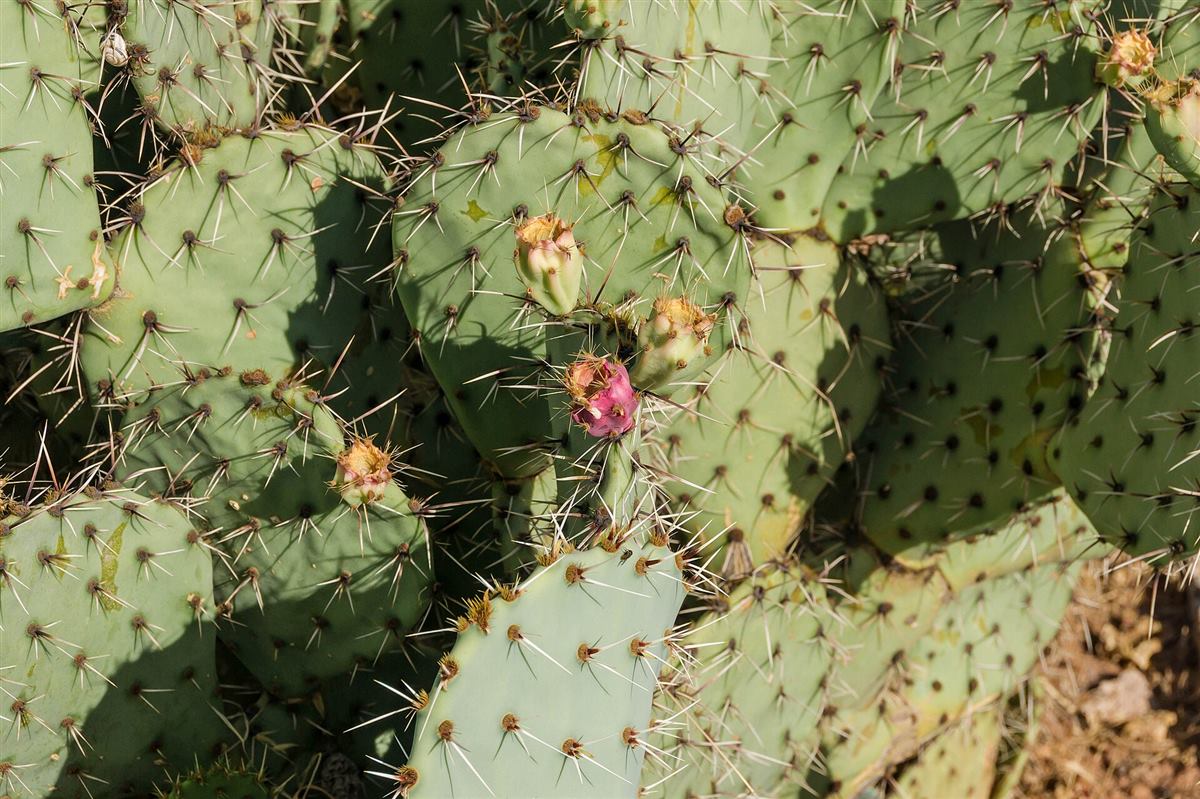
Prickly pear seed oil (also called barbary fig seed oil or cactus seed oil) is cold-pressed from the small black seeds of the Opuntia ficus-indica cactus fruit. The cactus thrives in the arid regions of Morocco, where it has been cultivated for centuries both as food and as a natural remedy for skin exposed to sun, wind, and desert dryness.
What makes the oil extraordinary is the effort behind it. Each fruit contains only a few hundred tiny seeds, and each seed holds roughly 5% oil. It takes close to a ton of fruit — and around 30 kilograms of hand-separated, dried seeds — to press a single liter of oil. The fruits are harvested by hand (the spines make machine harvesting impractical), the pulp is removed, and the seeds are washed, sun-dried, and pressed slowly at low temperature to protect the fragile nutrients. That is why genuine prickly pear seed oil costs several times more than argan oil, and why it is reserved for the face and other targeted treatments rather than full-body use.
Why It Works: The Nutrient Profile
The reputation of prickly pear seed oil is not folklore — it rests on an unusually concentrated cocktail of skin-loving compounds:
- Linoleic acid (around 60%) — an omega-6 essential fatty acid that strengthens the skin barrier, balances sebum, and absorbs quickly without clogging pores.
- Vitamin E (tocopherols) — prickly pear seed oil contains roughly 800–1,000 mg of tocopherols per kilogram, among the highest of any plant oil and noticeably more than argan. Vitamin E is a powerful antioxidant that defends skin against free-radical damage.
- Phytosterols — plant sterols that calm inflammation, support collagen, and help skin retain moisture.
- Vitamin K — associated with improving the look of dark under-eye circles and reinforcing capillary walls.
- Betalains and polyphenols — pigment antioxidants rare in skincare, which give the cactus fruit its vivid color and add another layer of environmental protection.
Because it is composed mostly of lightweight unsaturated fatty acids, the oil has a dry, silky finish. It sinks in within minutes, which is why even people with oily or combination skin tolerate it well.
Prickly Pear Seed Oil Benefits for Skin
1. Deep hydration without heaviness
The high linoleic acid content reinforces the lipid barrier that keeps water inside your skin. The result is lasting hydration with a matte-to-satin finish rather than an oily film — a relief if richer oils and butters have left your skin congested in the past.
2. Firmer, plumper-looking mature skin
Phytosterols and vitamin E work together to support collagen and protect existing elastin from oxidative stress. With consistent use, many people notice skin that looks denser and more elastic, with fine lines appearing softened. This is why the oil is a staple in anti-aging rituals across Morocco.
3. Brighter under-eyes and a more even tone
Thanks to its vitamin K content and gentle texture, prickly pear seed oil is one of the few facial oils traditionally patted around the delicate eye area to reduce the appearance of dark circles. Its antioxidants also help fade the look of post-blemish marks and sun-related dullness over time.
4. Calmer, less reactive skin
The oil’s sterols and polyphenols soothe visible redness and irritation, making it suitable for sensitive skin and for comforting skin after sun exposure, exfoliation, or a session at the hammam.
5. Balanced oil production and refined pores
Skin that lacks linoleic acid tends to overproduce thick, pore-clogging sebum. By replenishing this essential fatty acid, prickly pear seed oil can help normalize oil flow, which is why it scores very low on the comedogenic scale and rarely triggers breakouts.
6. Antioxidant defense against premature aging
Daily exposure to UV light and pollution generates free radicals that degrade collagen. The exceptional tocopherol concentration in prickly pear seed oil acts like a shield, neutralizing these radicals before they can leave lasting marks.
Benefits for Hair, Brows, and Nails
Although it shines as a facial treatment, a few drops go a long way elsewhere:
- Split ends and frizz — smooth one or two drops through the lengths of dry hair to seal the cuticle and add gloss without weight.
- Dry scalp — massage a small amount into the scalp before washing to relieve tightness and flaking.
- Sparse brows and lashes — its nutrient density makes it a popular nightly conditioning treatment for brow hairs.
- Brittle nails and cuticles — rub a drop into each nail bed to restore flexibility and shine.
Prickly Pear Seed Oil vs. Argan Oil: Which One Do You Need?
The two icons of Moroccan beauty are often mentioned together, but they play different roles. If you have not yet read our complete guide to Moroccan argan oil, the comparison below sums up the essentials:
| Criteria | Prickly Pear Seed Oil | Argan Oil |
|---|---|---|
| Source | Seeds of the Opuntia cactus fruit | Kernels of the argan tree fruit |
| Texture | Very light, dry, fast-absorbing | Light to medium, slightly richer |
| Vitamin E | Exceptionally high (~800–1,000 mg/kg) | High (~600–700 mg/kg) |
| Best for | Face, eye area, mature/oily/sensitive skin | Face, body, hair, nails — all-purpose |
| Signature strength | Firming, brightening, antioxidant defense | Nourishing, repairing, multi-use |
| Price | Premium — among the costliest beauty oils | Accessible everyday luxury |
In practice, the two are partners rather than rivals: argan oil is the generous all-rounder for body and hair, while prickly pear seed oil is the concentrated specialist you reserve for your face. Many Moroccan women use both — argan in the morning routine, prickly pear at night.
How to Use Prickly Pear Seed Oil in Your Routine
Evening (the ideal moment)
- Cleanse your face and pat it almost dry — applying oil to slightly damp skin helps seal in moisture.
- Warm 2–3 drops between your fingertips.
- Press the oil gently into your face and neck rather than rubbing; pressing improves absorption.
- Tap any residue around the orbital bone for the under-eye benefits.
Morning
Use a single drop as the last step of your skincare, before sunscreen, or blend a drop into your moisturizer for an antioxidant boost. Because the finish is dry, makeup applies smoothly over it.
Weekly extras
Add a few drops to a clay mask to prevent over-drying, or use it as a post-hammam treatment when your skin is warm and most receptive.
How to Choose a Genuine, High-Quality Oil
Because the raw material is so expensive, prickly pear seed oil is frequently diluted or confused with cheaper alternatives. Keep these checkpoints in mind:
- Exact name: look for Opuntia ficus-indica seed oil on the label. “Cactus extract” or prickly pear macerate (flowers or pulp infused in another oil) is not the same product and costs a fraction of the price.
- Extraction: cold-pressed and unrefined, to preserve the vitamin E and sterols.
- Certification: certified organic farming protects you from pesticide residues concentrated in seeds — we explain our own standards in why organic matters: a look inside our process.
- Origin and traceability: Morocco is the historic heartland of cosmetic-grade production, often through women’s cooperatives. At KAHENA BK, our oils are sourced directly from Moroccan terroirs — you can read more about our story here.
- Realistic price: genuine pure oil simply cannot be cheap. A surprisingly low price almost always signals dilution.
Frequently Asked Questions
Can prickly pear seed oil clog pores or cause breakouts?
It is very unlikely. The oil is dominated by linoleic acid, the fatty acid that acne-prone skin typically lacks, and it sits at the low end of the comedogenic scale. Most oily and combination skins absorb it without congestion. As with any new product, patch-test on your jawline for a few days first.
How long does it take to see results?
Hydration and a healthy glow are visible almost immediately. Improvements in firmness, fine lines, and dark-circle appearance are gradual — expect noticeable change after four to eight weeks of consistent nightly use, since these benefits depend on the skin’s natural renewal cycle.
Why is prickly pear seed oil so expensive?
Rarity and labor. Around a ton of hand-harvested cactus fruit yields roughly one liter of oil, with the seeds separated, dried, and cold-pressed manually — much of it by Moroccan women’s cooperatives. You are paying for concentration: only a few drops are needed per use, so a 30 ml bottle typically lasts three to four months.
Is prickly pear seed oil better than argan oil?
Neither is “better” — they are complementary. Prickly pear seed oil is the more concentrated facial specialist for firming, brightening, and antioxidant protection, while argan oil is the versatile everyday nourisher for face, body, and hair. If your priority is anti-aging facial care, start with prickly pear; if you want one multi-purpose oil, start with argan.
Morocco’s beauty heritage rarely gives up its secrets quickly, but prickly pear seed oil rewards patience: a few golden drops each night, and your skin gets the most concentrated care the desert has to offer. Explore the rest of our journal for more Moroccan ingredient guides and rituals.

Leave a Reply