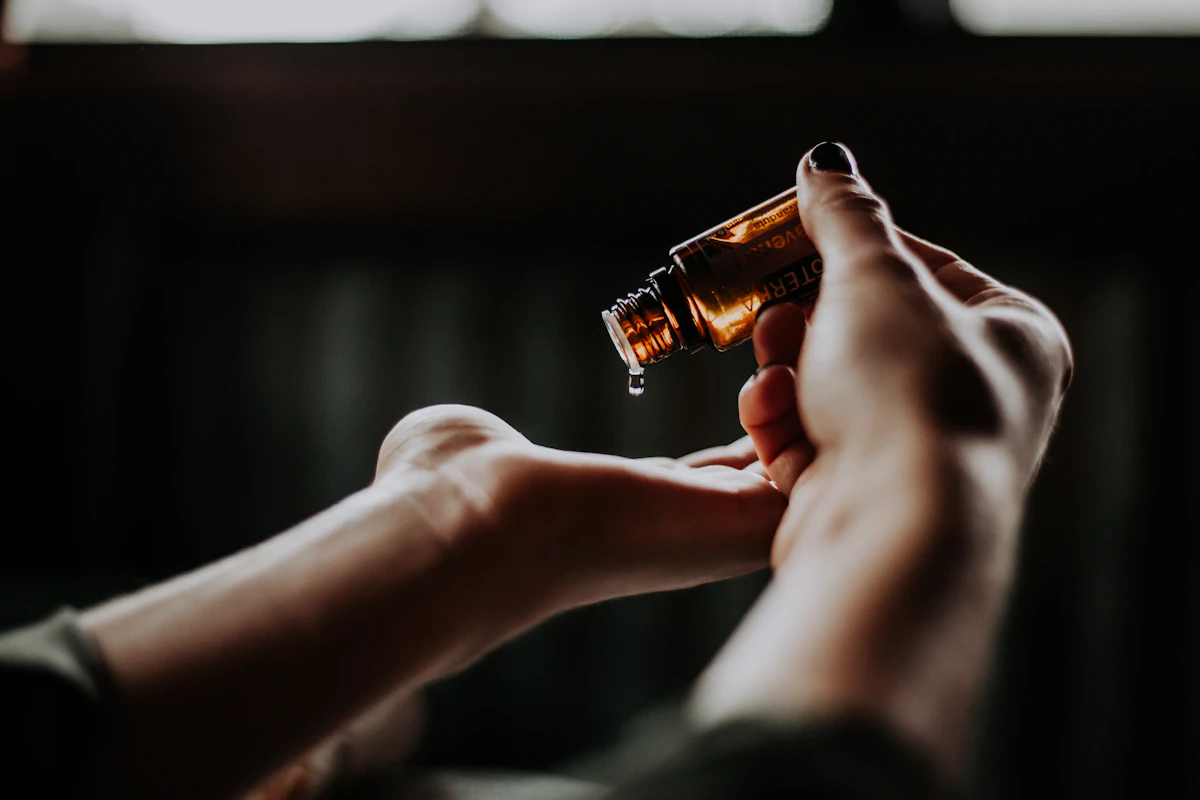

If you have ever wondered why Moroccan women are famous for thick, glossy hair, the answer usually comes down to a single ingredient: pure argan oil. Using argan oil for hair is one of the oldest beauty rituals in Morocco, and modern hair science now confirms what Amazigh women have known for centuries — this golden oil hydrates, protects and smooths hair more effectively than most synthetic serums. In this guide you will learn how to build a complete argan oil hair routine, step by step, with the right amount for your hair type, a simple weekly schedule, and the common mistakes that stop most people from ever seeing results.
Why Argan Oil Works So Well on Hair
Argan oil is cold-pressed from the kernels of the argan tree (Argania spinosa), which grows almost exclusively in southwestern Morocco. Its reputation as “liquid gold” for hair comes down to chemistry rather than marketing.
Around 80% of argan oil consists of unsaturated fatty acids. Oleic acid (omega-9) has a molecular structure small enough to penetrate the hair shaft and nourish the cortex from within, while linoleic acid (omega-6) coats and smooths the cuticle — the overlapping outer scales that make hair look shiny when they lie flat and frizzy when they lift. Argan oil is also exceptionally rich in vitamin E (tocopherols), a potent antioxidant that shields hair proteins from UV exposure, pollution and the daily assault of heat styling.
Just as importantly, argan oil is light. Unlike coconut oil, it rarely builds up or weighs strands down, which is why it suits nearly every hair type — from fine and straight to thick, tight coils. If you want a deeper dive into the composition, grades and origins of this remarkable oil, read our complete guide to Moroccan argan oil.
Key Benefits of Argan Oil for Hair
Here is what a consistent argan oil routine can realistically do for your hair within four to eight weeks:
- Deep hydration without heaviness. The oil restores moisture to dry lengths and seals it in, without the greasy film heavier oils leave behind.
- Frizz control and mirror shine. By flattening the cuticle, argan oil tames flyaways and reflects light evenly along the strand.
- Protection before heat styling. A few drops applied before blow-drying create a buffer that reduces moisture loss and protein damage.
- Fewer split ends and less breakage. Lubricated, elastic strands resist snapping when you brush, towel-dry or tie your hair back.
- A calmer, healthier scalp. Vitamin E and squalene soothe itchiness and flaking, creating better conditions for normal hair growth.
- Longer-lasting colour. Antioxidants slow the oxidation that causes dyed and naturally pigmented hair to fade in the sun.
How Much Argan Oil Does Your Hair Need?
The most common mistake with argan oil is using far too much of it. Pure argan oil is concentrated, and the right dose depends on your hair’s thickness, porosity and natural oil production. Use this table as your starting point and adjust by one drop at a time:
| Hair type | Amount per use | Frequency | Where to apply |
|---|---|---|---|
| Fine or oily hair | 1–2 drops | 2–3 times per week | Ends only |
| Normal or wavy hair | 2–4 drops | 3–4 times per week | Mid-lengths and ends |
| Thick or curly hair | 4–6 drops | Daily if needed | Mid-lengths and ends |
| Coily or very dry hair | 6–8 drops | Daily | Roots to ends, plus scalp |
| Bleached or damaged hair | 4–6 drops | Daily, plus weekly mask | Full length |
Your Step-by-Step Argan Oil Hair Routine
You do not need every step every day. The routine below combines a weekly deep treatment with quick daily touches — the same layered approach Moroccan women have always used around their weekly hammam visit.
Step 1: Weekly Pre-Shampoo Treatment
Once a week, warm one to two teaspoons of argan oil between your palms and massage it into your scalp with your fingertips for three to five minutes, then work the rest through your lengths down to the ends. Leave it on for at least 30 minutes — or overnight under a silk bonnet for very dry hair — then shampoo as usual. This is the step that transforms chronically dry, brittle hair, and it pairs beautifully with a full Moroccan hammam ritual if you want to turn wash day into a complete self-care ceremony.
Step 2: Boost Your Conditioner
On regular wash days, add one or two drops of argan oil to your usual handful of conditioner or hair mask. The oil increases slip for easier detangling and helps the conditioner’s moisturising agents bind to the hair shaft instead of rinsing away.
Step 3: Leave-In Serum on Damp Hair
After washing, towel-dry your hair until it is damp rather than dripping. Rub two to four drops between your palms, then smooth them through your mid-lengths and ends with a prayer-hands motion, followed by your fingers or a wide-tooth comb for even distribution. Applied at this stage, argan oil locks in water from the shower and protects strands if you go on to blow-dry.
Step 4: Finishing Touch on Dry Hair
Once your hair is dry and styled, a single drop warmed between your fingertips is enough to polish the surface: tap it gently over flyaways, twist it through curl ends to redefine them, or glide it over the lengths for shine. This is also the step to repeat midweek whenever your ends start to feel rough or your hair turns frizzy in humid weather.
Step 5: Overnight Scalp Treatment
Every one to two weeks, use a dropper to apply argan oil directly to your scalp in sections, massage for five minutes to stimulate circulation, then braid your hair loosely and sleep on a silk pillowcase or under a bonnet. Wash thoroughly in the morning. A nourished, flake-free scalp is the foundation of stronger growth — think of this as skincare for the skin your hair grows from.
Common Mistakes to Avoid
- Applying too much oil. Start with fewer drops than you think you need; you can always add more, but over-oiled hair looks flat and unwashed.
- Applying oil to soaking-wet hair. Water repels oil, so most of it slides off. Towel-dry to damp first.
- Coating the roots of fine hair. Fine hair only needs oil on the ends — anything higher collapses volume.
- Layering oil over product build-up. Argan oil works best on clean hair; sealing styling residue against the strand defeats the purpose.
- Using culinary or refined argan oil. Cosmetic-grade, cold-pressed oil retains the vitamin E and fatty acids that make the ritual work.
- Giving up after a week. Hair grows about one centimetre per month; give the routine four to eight weeks before judging it.
Choosing the Right Argan Oil
Results depend as much on the oil’s quality as on your technique. Look for 100% pure, organic, cold-pressed argan oil sold in a dark glass bottle — light and heat degrade its antioxidants. Authentic argan oil has a subtle nutty scent; a strong odour suggests poor pressing, while no scent at all usually means the oil has been refined and stripped of its actives.
At KAHENA BK, our argan oil is cold-pressed in small batches from kernels harvested by women’s cooperatives in Morocco’s argan belt, then bottled without refining, additives or dilution. You can read more about how we work with these cooperatives and why organic certification matters to us on our about page.
Frequently Asked Questions
Does argan oil make hair grow faster?
Not directly — no oil changes the genetically set speed of growth at the follicle. What argan oil does is reduce breakage and keep the scalp healthy, so more of the hair you grow actually survives to length. Over months, that looks and measures like faster growth.
Should I apply argan oil to wet or dry hair?
Both, for different reasons. On damp hair it acts as a leave-in that seals moisture inside the strand and protects against heat. On dry hair it works as a finishing serum for shine and frizz control. Most routines benefit from a few drops at each stage.
Will argan oil make fine hair greasy?
Not if you dose it correctly. Fine hair does well with one or two drops applied to the ends only, two to three times a week. Argan oil is one of the lightest carrier oils available, which is exactly why it is preferred over coconut or olive oil for thin hair.
Can I leave argan oil in my hair overnight?
Yes — an overnight treatment is the most intensive way to use it. Protect your pillow with a silk bonnet or an old pillowcase, and shampoo thoroughly in the morning. Once or twice a month is plenty for most hair types; very dry or coily hair can do it weekly.
Argan oil rewards consistency more than quantity: a few well-placed drops, a weekly deep treatment, and patience. Build the routine into your week, and you will understand why Morocco has trusted this golden oil for centuries.

Leave a Reply